 AllCuteDogs
 Dog Shedding: Breeds That Shed Most and Least
Dog Shedding: Breeds That Shed Most and Least
If you have ever worn a black shirt in a house with a Labrador Retriever, you understand the reality of dog shedding. Every dog with fur sheds to some degree — it is a natural biological process of releasing old or damaged hair to make way for new growth. But the amount, frequency, and manageability of shedding vary enormously between breeds. Whether you are choosing a dog and want to know what you are getting into, or you already live in a fur-covered home and need management strategies, this guide covers the full shedding spectrum.
Why Dogs Shed
Shedding is driven by the hair growth cycle, which has four phases: growth (anagen), transition (catagen), resting (telogen), and release (exogen). The length of each phase is determined by genetics, and it varies dramatically between breeds. A Poodle has an extremely long anagen phase, meaning each hair grows for a long time before falling out — which is why Poodles shed so little. A Siberian Husky has a short anagen phase and a synchronized shedding pattern, which is why twice a year their undercoat comes out in dramatic, tumbling clumps.
Daylight exposure is the primary trigger for seasonal shedding. As days get longer in spring, dogs blow their heavy winter undercoat to prepare for warm weather. As days shorten in fall, they shed the lighter summer coat to make room for the insulating winter layer. Indoor dogs that are exposed to artificial lighting year-round often shed moderately throughout the year rather than in seasonal bursts.
The Heavy Shedders
These breeds produce the most fur and require the most aggressive grooming strategies.
Extreme Shedding
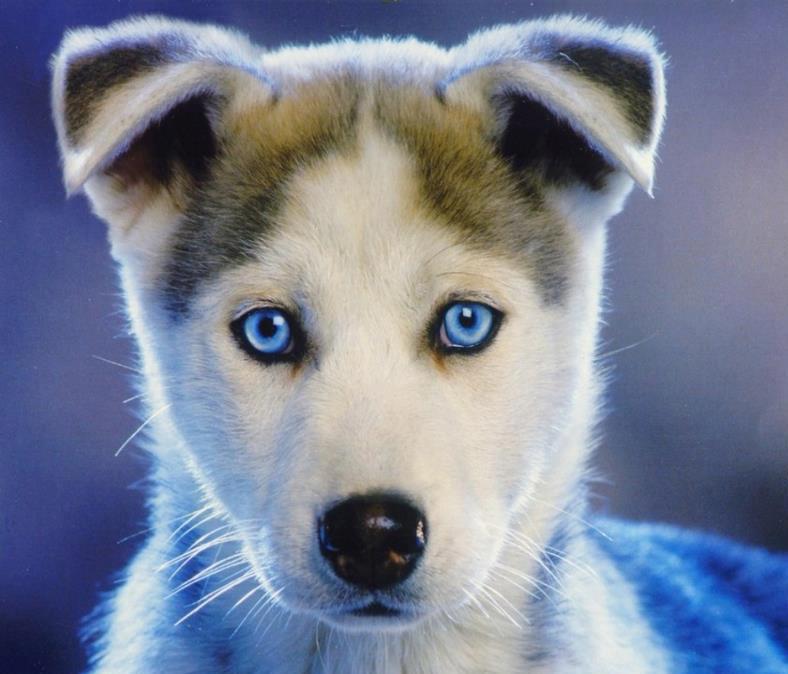
Siberian Husky — The Siberian Husky is legendary for shedding. Their thick double coat blows twice a year in events so dramatic that owners fill entire trash bags with loose fur. Between blowouts, they still shed moderately. Daily brushing during coat blows is essential.
Alaskan Malamute — Similar to the Husky but larger, meaning more fur. Their coarse outer coat and dense woolly undercoat produce staggering volumes of shed hair.
German Shepherd — The German Shepherd sheds year-round with two heavy seasonal blowouts. Their medium-length double coat releases a constant supply of loose hair that clings to everything. They have earned the nickname “German Shedder” for good reason.
Labrador Retriever — Labs deceive people with their short coat, but that dense double coat sheds relentlessly. The short hairs are particularly insidious because they weave into fabric and are difficult to remove.
Golden Retriever — The Golden Retriever has a long, flowing outer coat with a dense undercoat. The combination produces both visible tumbleweeds of fur and fine undercoat hairs that embed in everything.
Heavy Shedding
Akita, Chow Chow, Great Pyrenees, Bernese Mountain Dog, Saint Bernard, Newfoundland, Australian Shepherd, Corgi — All double-coated breeds that shed heavily year-round with seasonal peaks.
The Low Shedders
No dog is truly hypoallergenic — all dogs produce dander, saliva, and urine proteins that trigger allergies. But some breeds shed so minimally that they are significantly more tolerable for allergy sufferers and those who prefer a fur-free home.
Minimal Shedding
Poodle — Poodles in all sizes (Standard, Miniature, and Toy) have a single-layer curly coat that grows continuously and sheds very little. The trade-off is that they require regular professional grooming every four to eight weeks (~$50 to ~$100 per session) to prevent painful matting.
Bichon Frise — Similar curly coat to the Poodle with minimal shedding. Requires consistent grooming.
Portuguese Water Dog — A single-coated, curly or wavy breed that sheds minimally and was famously chosen by the Obama family for their hypoallergenic qualities.
Maltese — A long, silky single coat that sheds very little. Requires daily brushing to prevent tangles.
Yorkshire Terrier — Hair-like coat that grows continuously and sheds minimally, similar to human hair.
Low to Moderate Shedding
Shih Tzu, Havanese, Scottish Terrier, Miniature Schnauzer, Basenji, Italian Greyhound, Whippet, Afghan Hound — These breeds shed less than average but are not as close to zero as the breeds listed above.
Doodle Mixes: The Shedding Gamble
Poodle crosses (Labradoodles, Goldendoodles, Bernedoodles, etc.) are often marketed as non-shedding, but this is misleading. Because they are mixed breeds, coat type is not guaranteed. Some puppies in a litter may inherit the Poodle’s low-shedding curly coat, while their littermates get the other parent’s shedding double coat. There is no reliable way to predict coat type in a young puppy, and even DNA testing for coat type is not perfectly accurate.
Shedding Management Tools
Regardless of your dog’s shedding level, the right tools make a significant difference.
Brushes and Combs
Undercoat rake (~$10 to ~$20) — Essential for double-coated breeds. The long, rounded teeth penetrate the outer coat to remove loose undercoat without damaging the topcoat. Use weekly on heavy shedders, daily during coat blows.
Slicker brush (~$10 to ~$15) — Fine wire bristles remove loose fur and prevent matting. Works well on medium to long coats. Use gently to avoid irritating the skin.
Deshedding tool (~$20 to ~$35) — Tools like the FURminator have a stainless steel edge that reaches through the topcoat to remove loose undercoat. Effective but should be used sparingly — overuse can damage the topcoat and irritate skin.
Bristle brush (~$8 to ~$15) — Best for short-coated breeds like Beagles and French Bulldogs. Removes loose hair and distributes natural oils.
Rubber curry brush (~$5 to ~$10) — Massages the skin and removes loose hair on short coats. Can be used during baths.
Bathing
Regular bathing with a quality deshedding shampoo and conditioner loosens dead hair and undercoat, making it easier to brush out. Bathing every four to eight weeks is appropriate for most breeds. Over-bathing strips natural oils and can actually increase shedding by drying out the skin. Follow baths with a thorough blow-dry and brushing session to remove the maximum amount of loose fur.
Home Management
A quality vacuum designed for pet hair is not optional in a heavy-shedding household — it is a survival tool. Robot vacuums that run daily can help manage the constant accumulation between deep cleanings. Lint rollers, washable furniture covers, and strategically placed throw blankets protect your most-used furniture. Some owners find that keeping dogs off beds and couches with consistent rules reduces the frustration of fur management.
When Shedding Indicates a Health Problem
Normal shedding follows predictable patterns — seasonal changes, consistent moderate year-round loss, or minimal shedding depending on the breed. Abnormal shedding that should prompt a veterinary visit includes sudden or dramatic increase in shedding outside of seasonal patterns, bald patches or thinning coat, excessive itching, scratching, or licking accompanying the shedding, dull, brittle, or dry coat, red or irritated skin visible beneath the shedding areas, and shedding accompanied by other symptoms like lethargy or weight changes.
Common medical causes of abnormal shedding include allergies (environmental or food-related), thyroid disorders (hypothyroidism is a leading cause of coat problems), Cushing’s disease, fungal or bacterial skin infections, parasites (mange mites, fleas), stress-related shedding, and nutritional deficiencies — particularly essential fatty acid deficiency.
If your dog’s shedding pattern changes noticeably, especially if accompanied by other symptoms, a veterinary checkup with bloodwork can identify underlying causes. Many of these conditions are readily treatable once diagnosed, and restoring coat health is often one of the first visible signs of successful treatment.
The Bottom Line on Shedding
Every dog sheds. The question is how much you are willing to manage. If minimal shedding is a priority, stick with breeds in the low-shedding category and budget for regular professional grooming. If you love the double-coated breeds — the Huskies, the Goldens, the German Shepherds — accept that fur management is part of the deal and invest in good tools and a consistent grooming routine.
What you should never do is shave a double-coated dog to reduce shedding. Shaving removes the coat’s natural insulation and UV protection, can cause permanent coat damage, and paradoxically does not stop shedding — the dog simply sheds shorter hairs. The undercoat often grows back faster and denser than the topcoat, creating a worse texture and more matting.
Understanding your breed’s shedding characteristics before you bring them home prevents frustration and ensures you are prepared. Check our breed guides for Labrador Retrievers, German Shepherds, Poodles, Golden Retrievers, and Siberian Huskies for detailed grooming and coat care guidance. And for a broader look at the costs of dog ownership, including grooming, our care guides have you covered.
Key Takeaways
- All dogs shed; the question is how much and how manageable it is for your household.
- Double-coated breeds (Huskies, Goldens, German Shepherds) shed the heaviest, especially seasonally.
- Regular brushing is the most effective shedding management tool.
- Never shave a double-coated dog; it damages the coat and does not reduce shedding.
- Low-shedding breeds still require regular grooming to prevent matting.
Next Steps
Assess your dog’s shedding pattern and establish an appropriate brushing schedule. For comprehensive grooming guidance, see Dog Grooming at Home vs Professional. To choose a breed based on shedding level, review How to Choose the Right Dog Breed.