 AllCuteDogs
 Siberian Husky: Complete Guide to Temperament, Care, and Costs
Siberian Husky: Complete Guide to Temperament, Care, and Costs
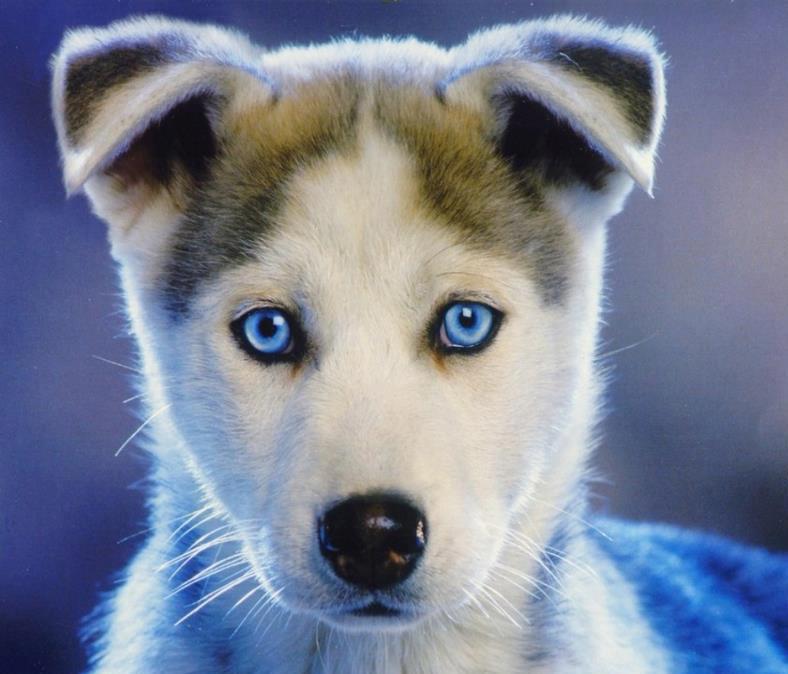
The Siberian Husky is one of the most striking and recognizable breeds in the world. With their wolf-like appearance, piercing blue or multi-colored eyes, and thick double coat, Huskies look like they walked straight out of the frozen wilderness. And in many ways, they did. Bred by the Chukchi people of northeastern Siberia for sled pulling and companionship, the Husky brings the spirit of the Arctic into your home — for better and for worse. This guide helps you understand what that truly means.
Overview
The Siberian Husky was developed by the Chukchi people of Siberia over thousands of years as an endurance sled dog. These dogs were essential to the Chukchi way of life, pulling light loads over vast frozen distances while consuming minimal food. They also served as family companions, sleeping with children for warmth.
The breed gained international fame during the 1925 serum run to Nome, Alaska, when sled dog teams relayed diphtheria antitoxin over 674 miles in brutal winter conditions to save the town from an epidemic. Balto, the lead dog of the final team, became a national hero.
Siberian Huskies belong to the AKC Working Group. Males stand 21 to 23.5 inches at the shoulder and weigh 45 to 60 pounds. Females stand 20 to 22 inches and weigh 35 to 50 pounds. All colors and patterns are accepted, from pure white to black, with a wide variety of markings. Eye colors include brown, blue, one of each (heterochromia), or parti-colored. The AKC recognized the breed in 1930.
Temperament and Personality
Siberian Huskies are friendly, mischievous, and strikingly independent. They are among the most people-friendly breeds, greeting strangers and familiar faces alike with enthusiasm. This universal friendliness is genuine — Huskies truly like everyone they meet.
Their energy level is very high. These are endurance athletes bred to run for hours in harsh conditions. A Husky at rest is merely a Husky between running sessions. Their energy is sustained and persistent, not just in short bursts, and it requires significant daily outlets.
Huskies are among the most independent dog breeds. They are intelligent but have no inherent desire to please their owner in the way that breeds like Golden Retrievers or German Shepherds do. They are pack-oriented but think for themselves, which means they will consider your request and then decide whether it aligns with their own agenda.
The breed is remarkably vocal. Huskies rarely bark in the traditional sense — instead, they howl, talk, whine, and produce a range of vocalizations that make them sound almost like they are trying to speak. These vocalizations can be entertaining but also loud and persistent, particularly when the dog is bored or wants attention.
Huskies have an extremely strong prey drive. Small animals — cats, rabbits, squirrels, and sometimes small dogs — can trigger intense chase behavior. This prey drive, combined with their independence and endurance, makes them legendary escape artists. A Husky that gets loose will run, and they can cover enormous distances before stopping.
Exercise Needs
Siberian Huskies need a minimum of 60 to 90 minutes of vigorous daily exercise, and many individuals need more. These dogs were bred to run long distances, and that drive persists in pet Huskies. Without adequate exercise, a Husky will become destructive, vocal, and miserable.
The best activities include running (they make excellent jogging partners), bikejoring (pulling a bicycle), skijoring, sled pulling, hiking, and extended fetch sessions. Huskies excel at dog sports that involve running and teamwork.
A securely fenced yard is essential, and the fencing must be Husky-proof. This means at least six feet tall with no gaps at the bottom (they will dig under), no climbable features (they will go over), and secure latches (they can learn to open simple gates). Many Husky owners reinforce fencing with dig guards, lean-in tops, and redundant latches.
Never trust a Husky off-leash in an unfenced area. Their independent nature and prey drive mean they cannot be reliably recalled. This is not a training failure — it is a fundamental breed characteristic. Even the most well-trained Husky may bolt after a squirrel and not return for hours.
Mental stimulation through puzzle toys, training games, and environmental enrichment helps but cannot replace physical exercise. A tired Husky is a better-behaved Husky.
Grooming Requirements
Siberian Huskies have a thick double coat that protected them in Arctic temperatures. The undercoat is dense and soft, while the outer coat is medium-length and straight. This coat requires significant maintenance.
Brushing at least two to three times per week is necessary, increasing to daily during shedding season. Huskies shed heavily year-round and blow their entire undercoat twice a year in spectacular shedding events. During coat blow, the hair comes out in clumps and can fill garbage bags. A good undercoat rake and deshedding tool are essential.
The double coat should never be shaved. It provides insulation from both heat and cold and protects against sunburn. Shaving a Husky’s coat can permanently damage the coat texture and impair its ability to regulate temperature.
Bathing every six to eight weeks is usually sufficient. Huskies are relatively clean dogs that lack the oily coat odor of many breeds. They often groom themselves in a cat-like fashion. Professional grooming is not necessary but can be helpful during heavy shedding periods.
Nail trimming every two to three weeks, ear cleaning weekly, and dental care complete the routine.
Common Health Issues
Siberian Huskies are generally healthy dogs with fewer breed-specific health issues than many breeds. Hip dysplasia is a concern, though it is less prevalent than in many large breeds. Eye conditions are the most significant health category.
Juvenile cataracts, corneal dystrophy, and progressive retinal atrophy (PRA) are all seen in the breed. Regular ophthalmologist evaluations are important. The Siberian Husky Ophthalmologic Registry (SHOR) maintained by the breed club tracks eye health in the breed.
Hypothyroidism can occur and is manageable with medication. Some Huskies develop zinc-responsive dermatosis, a skin condition related to zinc metabolism that causes crusty, scaly skin, particularly on the face and ears.
Epilepsy and laryngeal paralysis are occasionally seen. Bloat is possible but less common than in some other breeds of similar size.
Recommended health tests include hip evaluations and an ophthalmologist exam. A thyroid screening is also recommended.
Lifespan
The typical lifespan of a Siberian Husky is 12 to 14 years. This is a relatively long-lived breed for its size, reflecting its generally robust health. Many Huskies remain active and energetic well into their senior years.
Cost to Buy and Maintain
Siberian Husky puppies from reputable breeders typically cost ~$1,000 to ~$2,500. Working sled-dog lines or show-quality puppies may cost more. Rescue adoption typically costs ~$200 to ~$500. Huskies are one of the more commonly available breeds in shelters and rescues, as many owners underestimate the breed’s needs.
Annual costs include:
- Food: ~$500 to ~$900 per year
- Veterinary care: ~$400 to ~$800 for routine care
- Grooming: ~$100 to ~$400 per year
- Pet insurance: ~$300 to ~$700 per year
- Fencing maintenance and escape prevention: ~$100 to ~$500 per year
- Toys, treats, and supplies: ~$200 to ~$400 per year
Total annual cost of ownership typically ranges from ~$1,600 to ~$3,700. Factor in the initial cost of Husky-proofing your yard, which can be substantial.
Best For
Huskies are ideal for active, experienced dog owners who enjoy outdoor activities in cooler climates. Runners, hikers, cyclists, and especially those involved in mushing or skijoring sports will find the Husky an exceptional partner.
People with large, securely fenced properties in cooler climates provide the ideal environment. Families with older children who enjoy active outdoor play can integrate a Husky successfully.
Those who find the breed’s vocal nature charming rather than annoying, who appreciate a dog with personality and independence, and who can commit to significant daily exercise will find Husky ownership deeply rewarding.
Not Ideal For
Huskies are not suited for hot climates. While they can survive in warmer regions with proper care, they are most comfortable in cooler temperatures and suffer in heat.
Apartment dwellers will find a Husky extremely challenging unless they can provide multiple daily exercise sessions and have tolerant neighbors regarding noise.
People who want an obedient, people-pleasing dog should choose another breed. Huskies are independent thinkers who follow their own agenda. If instant obedience matters to you, a Husky will be a constant source of frustration.
Cat owners should think very carefully. Many Huskies have prey drive that makes them unsafe around cats, and this trait is difficult to train out reliably.
Those who want a guard dog should look elsewhere. Huskies are too friendly to be effective guardians — they are more likely to show a burglar around the house than to scare one away.
First-time dog owners frequently struggle with Huskies, as the breed’s independence, escape artistry, and exercise needs overwhelm those without previous dog experience.
Training
Siberian Huskies are among the most challenging breeds to train. They are intelligent enough to learn any command but independent enough to decide whether following it serves their interests. Training a Husky is an exercise in patience, creativity, and managing expectations.
Positive reinforcement is the only effective approach. Huskies do not respond to force or intimidation — they simply disengage. Use high-value treats, keep sessions short and varied, and maintain a sense of humor. You will need it.
Recall training should begin early but expect limited reliability. Work on recall as a foundation, but never trust it in unsecured environments. Leash training is essential and should emphasize loose-leash walking, as Huskies are natural pullers.
Housetraining is generally straightforward with Huskies, as they are naturally clean dogs that prefer to keep their living space tidy. Crate training works well for this purpose.
Common challenges include escape attempts, selective hearing, prey chasing, digging, howling, and counter surfing. Many of these behaviors reflect natural instincts that can be managed but not eliminated. Setting realistic expectations is key to a harmonious relationship with a Husky.
Compatibility
With children: Huskies are generally wonderful with children. They are gentle, playful, and tolerant, reflecting their Chukchi heritage of being family companions that slept with children. Their energy matches well with active kids.
With cats: This is a significant concern. Many Huskies have strong prey drive that makes them unsafe around cats. While some individuals can be raised with cats successfully, the risk is real and should not be underestimated. This is one of the least cat-compatible breeds.
With other dogs: Huskies generally enjoy the company of other dogs, particularly other Huskies. They are pack animals and often thrive in multi-dog households. Same-sex aggression is less common in Huskies than in many breeds.
Key Takeaways
- Siberian Huskies are beautiful, independent, and energetic dogs that require significant daily exercise and Husky-proof containment.
- They shed heavily year-round with dramatic twice-yearly coat blows — be prepared for copious amounts of fur.
- Their independence makes them among the most challenging breeds to train, and reliable off-leash recall is generally not achievable.
- They are escape artists that require secure, reinforced fencing.
- Their prey drive makes them generally incompatible with cats and other small animals.
- With the right owner in the right environment, Huskies are loyal, entertaining, and endlessly charismatic companions.
Next Steps
If the Siberian Husky’s spirit and beauty call to you, make sure your lifestyle genuinely matches the breed’s needs before committing. Read our guide on how to choose the right dog breed for an honest assessment framework. Compare the Husky with the Australian Shepherd for a similarly active but more trainable alternative, or the Bernese Mountain Dog for a large, beautiful breed with a more biddable temperament. Our puppy training guide covers training fundamentals, though Husky-specific strategies often require additional research and professional guidance.