 AllCuteDogs
 Best Dogs for Runners and Active People
Best Dogs for Runners and Active People
Running with a dog is one of the purest forms of partnership between human and canine. The right running partner keeps you motivated, matches your pace, and enjoys every mile as much as you do. But not every breed is built for sustained running, and choosing the wrong companion can lead to frustration or, worse, injury to your dog. This guide ranks the best breeds for runners by endurance and pace, addresses age and weather considerations, and covers the safety essentials for hitting the trail or road with your dog.
How We Selected: We examined options using veterinary guidelines, breed standards, and owner experience. Factors in our assessment included durability, veterinary recommendations, ingredient quality, safety ratings. Brands featured did not pay for or influence their inclusion.
What Makes a Good Running Dog
The ideal running dog has a combination of physical traits and temperament. Physically, they need a build that supports efficient movement — long legs relative to body weight, a deep chest for lung capacity, lean musculature, and sound joints. Temperamentally, they need to enjoy sustained forward motion, have the focus to stay on course rather than chasing every squirrel, and be comfortable running beside you rather than constantly pulling or lagging.
Brachycephalic breeds (short-nosed dogs like French Bulldogs, Pugs, and Bulldogs) should never be running companions. Their compromised airways make breathing during exertion extremely difficult, and they overheat rapidly. Giant breeds are also poor candidates because the stress of repetitive impact on their joints causes accelerated wear.
Top Running Breeds Ranked by Endurance
Elite Distance Runners (10+ Miles)
Vizsla — The Vizsla is arguably the ultimate running dog. Built lean and athletic, this Hungarian pointer has seemingly limitless endurance, a natural desire to stay close to their owner, and the intelligence to adapt to different paces and terrain. They thrive with runners who log thirty or more miles per week.
Weimaraner — Tall, lean, and built for sustained effort, the Weimaraner can handle long distances at moderate pace. They need significant daily exercise regardless of whether you run with them, making them an ideal match for committed runners.
Border Collie — The Border Collie combines endurance with intelligence and an intense desire to work alongside their person. They excel at trail running where the varying terrain and stimulation keep their active minds engaged. Their medium size makes them agile on technical trails.
Rhodesian Ridgeback — Bred to track lions across the African savanna, the Ridgeback has the endurance for ultra-distance running and the heat tolerance for warm-weather training. Their independent temperament means they run well beside you without constant encouragement.
German Shepherd — Versatile and athletic, German Shepherds have the stamina for long runs and the trainability to be excellent running partners. They are especially well-suited for runners who want a protective companion on early morning or evening runs.
Strong Mid-Distance Runners (5-10 Miles)
Labrador Retriever — Labs are enthusiastic running partners with solid endurance. Their natural love of activity and easygoing temperament make them adaptable to various running routines. Watch their weight — a lean Lab is a better running partner than an overweight one.
Australian Shepherd — High-energy and agile, Aussies are excellent trail running companions. Their herding instinct keeps them close, and their athleticism handles varied terrain well.
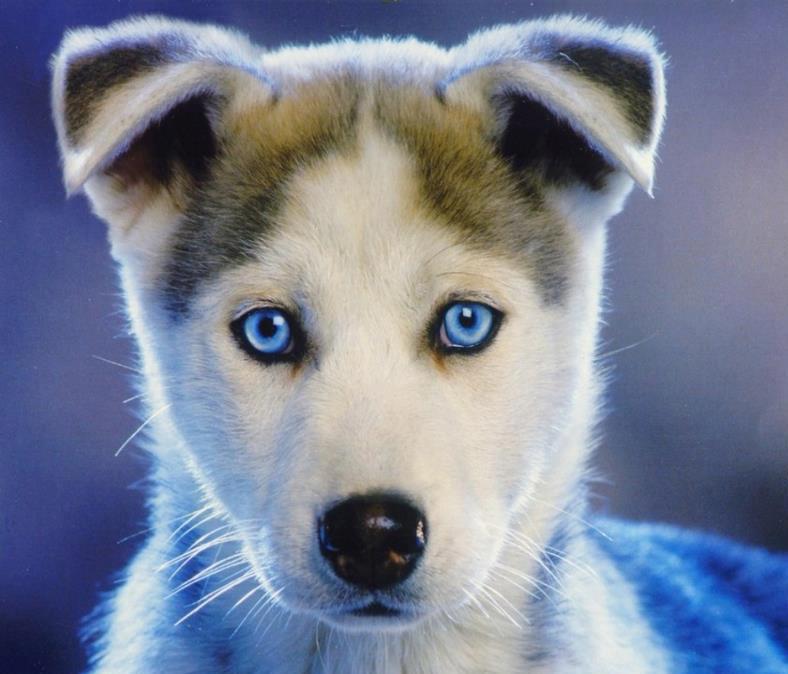
Siberian Husky — Huskies were literally bred to run long distances. Their endurance is legendary, but they are better suited for cool to cold weather running. In warm temperatures, they overheat quickly and should not run at all. Their independent streak also means leash training for running requires extra effort.
Dalmatian — Historically bred to run alongside carriages for miles, the Dalmatian has endurance baked into their DNA. They are built for a moderate, steady pace over long distances.
Standard Poodle — Often underestimated as an athletic breed, the Standard Poodle is an excellent running companion. Their lean build, long legs, and athletic background make them capable of sustained running, and their non-shedding coat is a bonus for runners who like a clean car after muddy trail runs.
Speedy Short-Distance Runners (Up to 5 Miles)
Beagle — Beagles have surprising stamina for their size and enjoy running, though their nose-driven nature means trail distractions are constant. Best for slower-paced, shorter runs where some sniffing stops are tolerated.
Jack Russell Terrier — Compact and explosive, Jack Russells have energy far exceeding their small size. They are excellent for shorter, faster runs and interval training.
Greyhound — Greyhounds are the fastest dog breed, reaching speeds over 40 mph, but they are sprinters, not marathoners. They are ideal for short, fast runs and fartlek training, but they tire quickly on longer distances.
Age Considerations
When to Start Running
Do not run with a puppy. This is non-negotiable. A puppy’s growth plates — the soft areas of developing cartilage near the ends of long bones — do not close until the dog is physically mature. Repetitive impact before the growth plates close can cause permanent joint damage and set your dog up for a lifetime of orthopedic problems.
Small breeds mature faster and can typically begin light running at twelve to fourteen months. Medium breeds should wait until fourteen to eighteen months. Large breeds need eighteen to twenty-four months before sustained running. Giant breeds should not run until at least twenty-four months and are generally not suitable running partners at any age due to joint stress.
Before starting a running program, have your veterinarian evaluate your dog’s joints, heart, and overall fitness. This is especially important for breeds predisposed to hip dysplasia, like German Shepherds and Labrador Retrievers.
Running with Senior Dogs
As dogs age, their running capacity decreases. Arthritis, muscle loss, reduced cardiovascular fitness, and decreased heat tolerance all play a role. Watch for signs that your senior running partner is struggling: slowing pace, reluctance to start, stiffness after runs, limping, or heavy panting that takes longer to resolve. Transition senior dogs to shorter distances, slower paces, and softer surfaces. Our senior dog care guide covers exercise adjustments for aging dogs in detail.
Weather Safety
Running in Heat
Dogs regulate temperature primarily through panting and, to a lesser extent, through their paw pads. They cannot sweat through their skin like humans, making them far more vulnerable to heat-related illness. Follow these rules for warm-weather running:
- Run early morning or after sunset when temperatures are cooler
- Test pavement with your hand — if it is too hot for your palm, it is too hot for paw pads
- Carry water for both of you and offer it every fifteen to twenty minutes
- Know the signs of heatstroke: excessive panting, drooling, bright red gums, staggering, vomiting, and collapse
- For detailed hot weather safety, see our hot and cold weather dog safety guide
Double-coated breeds like Siberian Huskies and Golden Retrievers should not run when temperatures exceed 70 degrees Fahrenheit. Short-coated breeds have a slightly higher tolerance, but no dog should run in temperatures above 85 degrees.
Running in Cold
Most healthy dogs handle cold weather running better than heat. However, small dogs, thin-coated breeds, and senior dogs may need a jacket for cold-weather runs. Paw care is important in winter — road salt and ice-melt chemicals can irritate and burn paw pads. Rinse paws after winter runs or use dog-safe paw wax for protection.
Running Safety Essentials
Leash setup — Use a hands-free running leash that attaches around your waist with a bungee section to absorb jolts. Standard leashes held in the hand affect your running form and create a tripping hazard. A well-fitted harness distributes pulling force better than a collar during running.
Identification — Always run with your dog wearing a collar with ID tags and ensure their microchip information is current. Trail running in unfamiliar areas carries a risk of separation.
Build mileage gradually — Follow the same ten-percent rule you would for your own training. Increase your dog’s weekly mileage by no more than ten percent per week. Dogs will run through pain and exhaustion to keep up with you — they will not tell you they have had enough.
Post-run check — After each run, check your dog’s paw pads for cuts, cracks, or debris. Watch for limping, excessive licking of paws, or reluctance to move. Rest days are as important for your dog as they are for you.
Nutrition and hydration — Active dogs need more calories and water than sedentary ones. Adjust your dog’s food intake based on their running volume. High-quality food with adequate protein and fat supports muscle recovery and sustained energy. Wait at least an hour after feeding before running to reduce bloat risk, particularly in deep-chested breeds.
Running with your dog strengthens the bond between you, provides the exercise both species need, and makes even the hardest training days more enjoyable. Choose a breed that matches your running style, respect the age and weather limitations, and build up gradually — your four-legged running partner will reward you with years of enthusiastic companionship on the road and trail.
Key Takeaways
- The best running dogs have endurance, heat tolerance, joint soundness, and willingness to pace with you.
- Wait until your dog is physically mature (12-18 months depending on breed) before sustained running.
- Build distance gradually, just as you would with a human running partner.
- Adjust runs for temperature, surface, and your dog’s energy level and conditioning.
- Post-run paw checks and proper nutrition support recovery and long-term running health.
Next Steps
Choose a running partner from the breeds recommended in this guide and build a gradual conditioning plan. For proper nutrition to support an active dog, see our dog food guide. Ensure your running gear includes a quality harness designed for active use.