 AllCuteDogs
 Alaskan Malamute: Complete Guide to Temperament, Care, and Costs
Alaskan Malamute: Complete Guide to Temperament, Care, and Costs
Overview
The Alaskan Malamute is one of the oldest and most powerful sled dog breeds, developed by the Mahlemut Inuit people of northwestern Alaska to haul heavy loads across vast, frozen landscapes. Unlike the faster Siberian Husky, the Malamute was bred for strength and endurance rather than speed, pulling heavy sleds loaded with supplies over long distances in some of the harshest conditions on earth.
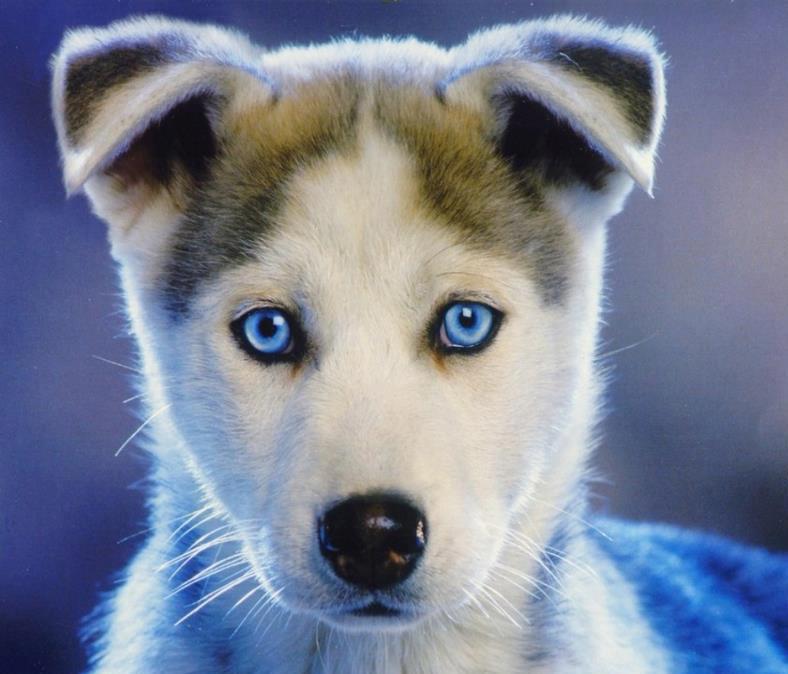
Standing 23 to 25 inches at the shoulder and weighing between 75 and 100 pounds (with some individuals exceeding this range), the Alaskan Malamute is a strikingly beautiful and imposing dog. Their thick double coat, plumed tail carried over the back, broad head, and wolf-like markings give them a majestic appearance that turns heads wherever they go. Beneath that powerful exterior lies a surprisingly affectionate and loyal companion with a deep love for their family.
Temperament and Personality
The Alaskan Malamute is a friendly, affectionate, and dignified breed with a strong pack mentality. These dogs thrive on being part of a family and form deep, lasting bonds with their people. Despite their imposing size, Malamutes are generally not aggressive toward humans and are often described as gentle giants who love attention and physical affection.
One of the most notable personality traits of the Malamute is their independence. Bred to make decisions in harsh Arctic conditions, these dogs possess a strong will and a mind of their own. This independence can manifest as stubbornness during training, but it also means you have a dog that is resourceful and self-assured.
Malamutes are playful and retain a puppy-like enthusiasm well into adulthood. They are known for their vocalizations, including howling, “talking,” and a distinctive “woo-woo” sound that many owners find endearing. However, they are generally not excessive barkers, which surprises many people given their size.
This breed has a strong prey drive, a trait carried over from their days of hunting seals and polar bears alongside their Inuit companions. Small animals such as cats, rabbits, and squirrels may trigger this instinct, so careful management is essential in mixed-pet households.
Malamutes are pack-oriented dogs who do not do well when isolated or left alone for long periods. They crave companionship and can become destructive, anxious, or vocal when bored or lonely. They generally get along well with people of all ages, though their size means interactions with small children should be supervised.
Exercise Needs
The Alaskan Malamute is a high-energy working breed that requires substantial daily exercise to stay physically and mentally healthy. Plan on at least 60 to 120 minutes of vigorous activity each day, and understand that a leisurely stroll around the block will not come close to meeting this breed’s needs.
These dogs were built to work, and they thrive when given a job to do. Activities such as hiking, backpacking (Malamutes can carry weighted packs), skijoring, carting, and weight pulling are excellent outlets for their natural abilities. Swimming can also be enjoyable for many Malamutes, though individual preferences vary.
During warmer months, exercise must be carefully managed. The Malamute’s thick double coat makes them vulnerable to overheating, so plan strenuous activities for the cooler parts of the day, such as early morning or evening. Always provide access to shade and fresh water, and watch for signs of heat stress.
Mental stimulation is equally important for this intelligent breed. Puzzle toys, training exercises, and scent-based games help keep the Malamute’s active mind engaged. An under-stimulated Malamute is likely to find its own entertainment, which often involves digging, chewing, or attempting creative escape routes from the yard.
Off-leash exercise should only occur in securely fenced areas, as the Malamute’s prey drive and independent nature make reliable off-leash recall difficult to achieve. A six-foot fence is recommended, and some owners find they need to reinforce the base of the fence to prevent digging escapes.
Grooming Requirements
The Alaskan Malamute has a thick, coarse double coat that requires consistent grooming to keep it healthy and manageable. The outer guard coat is straight and stands off the body, while the dense undercoat provides insulation against extreme cold.
Brush your Malamute thoroughly at least two to three times per week using an undercoat rake and a slicker brush. During the twice-yearly shedding events, commonly known as “blowing coat,” daily brushing becomes necessary to manage the massive volume of loose fur. These shedding periods typically last two to three weeks and can produce truly impressive quantities of hair.
Bathing should be done every six to eight weeks or as needed. Use a high-quality dog shampoo and ensure the coat is thoroughly rinsed and dried, as moisture trapped in the dense undercoat can lead to skin problems and hot spots.
Never shave a Malamute’s coat. The double coat serves as insulation against both cold and heat, and shaving disrupts the coat’s natural protective properties. The coat may also grow back improperly after being shaved.
Regular ear cleaning, nail trimming every two to three weeks, and dental care complete the grooming routine. Pay special attention to the areas between the toes and paw pads, where debris and ice can accumulate.
Common Health Issues
Alaskan Malamutes are generally a hardy breed, but they are susceptible to several genetic and acquired health conditions that prospective owners should be aware of.
Hip Dysplasia is one of the most common orthopedic conditions in Malamutes. This developmental disorder of the hip joint can lead to pain, lameness, and arthritis. Reputable breeders screen their breeding stock through OFA or PennHIP evaluations.
Chondrodysplasia (Dwarfism) is an inherited condition seen in some Malamute lines that results in abnormal cartilage and bone development. Responsible breeders test for this condition and avoid producing affected puppies.
Hypothyroidism affects the thyroid gland’s hormone production and can cause weight gain, lethargy, and coat problems. It is manageable with daily thyroid hormone replacement therapy.
Polyneuropathy is a neurological condition that affects the peripheral nerves, leading to weakness, exercise intolerance, and breathing difficulties. Genetic testing is available for this condition.
Bloat (Gastric Dilatation-Volvulus) is a life-threatening emergency that can affect large, deep-chested breeds. Feeding multiple smaller meals, using slow-feeder bowls, and avoiding exercise immediately after meals can help reduce the risk.
Cataracts and Progressive Retinal Atrophy are eye conditions that can affect vision. Annual eye examinations by a veterinary ophthalmologist are recommended.
Other conditions to watch for include day blindness (cone degeneration), zinc-responsive dermatosis, and various cancers. Maintaining regular veterinary checkups and health screenings is essential for early detection and management.
Lifespan
The Alaskan Malamute has an average lifespan of 10 to 14 years. Proper nutrition, regular exercise appropriate to the dog’s age and condition, routine veterinary care, and maintaining a healthy weight all contribute to a longer, healthier life. Large breeds like the Malamute benefit from diets formulated for their size, and weight management is particularly important to reduce stress on joints.
Cost to Buy and Maintain
Owning an Alaskan Malamute requires a significant financial commitment that extends well beyond the initial purchase price.
Purchase Price: A well-bred Alaskan Malamute puppy from a reputable breeder typically costs ~$1,500 to ~$3,000. Puppies from champion bloodlines or with exceptional pedigrees may cost ~$3,500 or more. Adopting from a breed-specific rescue generally costs ~$300 to ~$700, which usually includes spay/neuter and vaccinations.
First-Year Costs: Expect to spend approximately ~$3,000 to ~$5,000 in the first year, covering the purchase price, initial veterinary visits, vaccinations, spay/neuter, crate, bedding, high-quality food, grooming supplies, and basic training classes.
Annual Maintenance Costs: Ongoing yearly costs typically range from ~$1,800 to $3,000. Major expenses include premium dog food suitable for a large, active breed ($800 to $1,200 per year), routine veterinary care and preventive medications ($500 to $800), grooming tools and occasional professional grooming ($200 to $500), and supplies and toys ($200 to ~$400).
Unexpected Costs: The Malamute’s predisposition to certain health conditions means that veterinary emergencies or chronic condition management can add substantially to annual costs. Pet insurance (~$40 to ~$70 per month for large breeds) is strongly recommended.
Best For
The Alaskan Malamute is best suited for experienced dog owners who understand and appreciate the unique challenges of a large, independent working breed. They thrive in homes with active families who enjoy outdoor adventures such as hiking, camping, and winter sports.
Homes with large, securely fenced yards provide the ideal environment for a Malamute. Families in cooler climates will find their Malamute especially content, as these dogs are in their element when temperatures drop.
People who work from home or have flexible schedules that allow them to spend significant time with their dog will find the Malamute a devoted and rewarding companion. Those interested in working dog sports such as weight pulling, carting, or backpacking will discover a willing and enthusiastic partner in the Malamute.
Not Ideal For
The Alaskan Malamute is not recommended for first-time dog owners who may be overwhelmed by the breed’s size, strength, and independent temperament. Their stubborn nature requires experienced handling and consistent training.
Apartment dwellers and people with small living spaces should look elsewhere, as Malamutes need room to move and access to outdoor exercise areas. Hot climates pose a real concern for this Arctic breed, and owners in warm regions must take extra precautions to prevent overheating.
Households with small pets such as cats or rabbits should proceed with extreme caution, as the Malamute’s strong prey drive can make cohabitation dangerous. People who are away from home for long periods should also reconsider, as Malamutes are social dogs that suffer when left alone.
Those who value an immaculate home should be prepared for significant shedding, especially during the biannual coat blow, which can cover every surface with fur despite regular grooming.
Training
Training an Alaskan Malamute is both rewarding and challenging, requiring patience, consistency, and a good sense of humor. These intelligent dogs understand commands quickly but do not always see the point in obeying them, particularly if they find the task boring or beneath them.
Positive reinforcement methods are essential for the Malamute. Food rewards, praise, and play motivate these dogs far more effectively than corrections, which are likely to cause a Malamute to dig in its heels and become even more stubborn.
Begin socialization and training as early as possible. Puppy kindergarten classes provide a structured environment for learning basic manners and meeting other dogs and people. Expose your Malamute puppy to a wide variety of experiences, sounds, surfaces, and environments during the critical socialization period.
Leash training is particularly important given the Malamute’s size and pulling strength. Teaching loose-leash walking early prevents the development of pulling habits that become extremely difficult to manage in an adult Malamute. Consider using a front-clip harness or head halter for additional control during training.
Recall training should be practiced consistently, though owners should understand that most Malamutes are never truly reliable off-leash in unfenced areas. The combination of prey drive and independence makes off-leash freedom risky for this breed.
Crate training, boundary training, and impulse control exercises are all valuable components of a Malamute training program. Keep sessions short, varied, and positive to maintain the dog’s interest and cooperation.
Compatibility
With Children: Malamutes are generally patient and affectionate with children, making them good family dogs. However, their large size means they can accidentally knock over small children, so supervision is important. Teaching children how to interact safely with a large dog is essential.
With Other Dogs: Malamutes can be social with other dogs, especially when raised together, but same-sex aggression can be an issue. Their strong pack mentality means establishing clear hierarchies, and owners need to manage multi-dog households carefully.
With Cats and Small Pets: The Malamute’s strong prey drive makes them a poor match for households with cats, rabbits, or other small animals. Even Malamutes raised with cats may be unpredictable, and many breed enthusiasts recommend against keeping them in homes with small pets.
With Seniors: The Malamute’s size, strength, and exercise requirements make them generally unsuitable for elderly owners or those with limited mobility, though active seniors with breed experience may manage well.
With Apartment Living: Not recommended. Malamutes need space, exercise, and a yard. Their shedding, size, and potential for howling make apartment living challenging for both dog and neighbors.
Key Takeaways
- The Alaskan Malamute is a powerful, affectionate working breed with deep roots in Arctic sledding culture.
- They require 60 to 120 minutes of vigorous daily exercise and plenty of mental stimulation.
- Their thick double coat demands regular brushing and produces heavy seasonal shedding twice per year.
- Common health concerns include hip dysplasia, chondrodysplasia, hypothyroidism, polyneuropathy, and bloat.
- Average lifespan is 10 to 14 years with proper care.
- Budget ~$1,500 to ~$3,000 for a puppy and ~$1,800 to ~$3,000 annually for ongoing care.
- Best suited for experienced, active owners in cooler climates with large fenced yards.
- Not ideal for first-time owners, apartment dwellers, hot climates, or homes with small pets.
Next Steps
If the Alaskan Malamute captures your heart, take the time to connect with reputable breeders who perform comprehensive health testing, or reach out to Malamute-specific rescue organizations. Meeting the breed in person at dog shows or breed events can help you determine if this is truly the right match.
To evaluate whether a Malamute fits your lifestyle, visit our detailed guide on How to Choose the Right Dog Breed. You might also explore the Siberian Husky, a closely related but smaller and more agile sled breed, or the Samoyed, another Arctic breed with a friendlier disposition toward strangers and a stunning white coat.